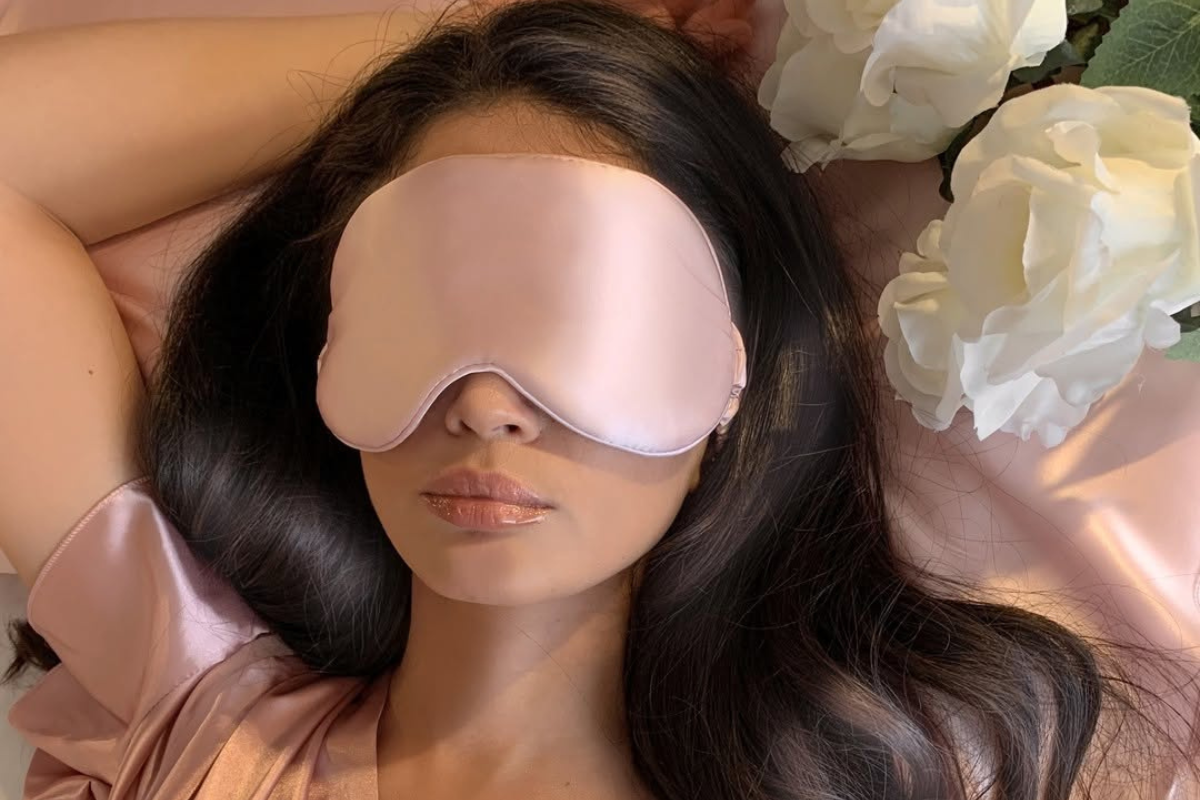
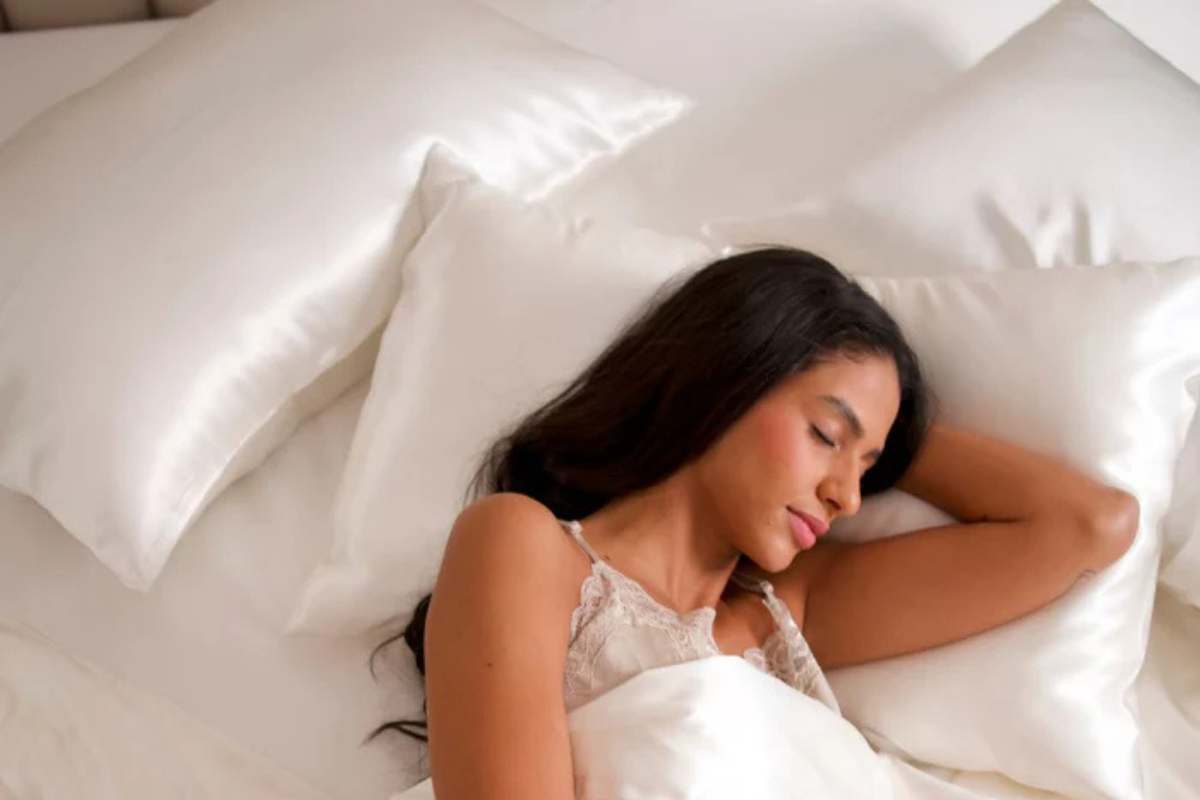
The 30-Day Beauty Sleep Experiment: What Happens When You Switch to a Silk Pillowcase
Most people invest seriously in their skincare and hair care routines. The right cleanser, the right serum, and the right overnight mask. But there is one part of the routine that almost everyone overlooks entirely, and it accounts for eight hours every single night.
The pillowcase.
What your skin and hair rest against while you sleep has a direct and measurable impact on how they look and feel in the morning. And the fabric most of us use, cotton, is quietly working against the results we are trying to achieve.
At Lovespun, we set out to document exactly what changes when you make one simple switch: from a standard cotton pillowcase to a 100% mulberry silk pillowcase. Over 30 days, with no other changes to skincare or hair care routines, here is what consistently happens
Why Cotton Is the Problem
Cotton is one of the most common household fabrics in the world, and for good reason, it is affordable, durable, and widely available. But for your skin and hair overnight, it creates three specific problems that most beauty routines never account for.
-
Friction: Cotton has a textured surface that grips skin and hair as you move during sleep. Over the course of a night, this repeated friction causes hair to tangle, frizz, and break, and presses skin into creases that deepen over time.
-
Moisture absorption: Cotton is highly absorbent by design. This means it draws moisture away from your skin and hair through the night, and absorbs the active ingredients in your skincare products before your skin has fully absorbed them.
-
Heat retention: Cotton traps warmth, which can disrupt sleep quality and contribute to overnight skin congestion for those with sensitive or combination skin.
Silk addresses all three. Its smooth, densely woven surface creates almost no friction, absorbs very little moisture, and naturally regulates temperature throughout the night. The result is a sleeping surface that works with your beauty routine rather than against it.
Week 1: What You Notice First
The first thing most people notice when switching to a Lovespun silk pillowcase is temperature. Silk is a naturally breathable, temperature-regulating fabric. Unlike cotton, it does not trap body heat; it stays cool and comfortable throughout the night, making for noticeably better sleep from the very first evening.
Within the first week, the early signs of reduced friction begin to show:
-
Hair arrives in the morning with fewer tangles and less visible frizz.
-
Sleep lines on the face are shallower and fade more quickly.
-
The skin feels less dehydrated on waking.
These changes are subtle in week one, but they are the foundation of what builds over the following weeks. The skin and hair are simply being treated more gently through the night, and the difference begins to accumulate.
Week 2: The Hair Transformation
By the second week, the impact on hair is the most visible change for most people and it is significant.
Hair that has been sleeping on cotton is subjected to friction every time the head moves. The outer cuticle of each strand gets roughed up, leading to frizz, dryness, and gradual breakage. On silk, the hair glides rather than drags. This is why many people switch to a silk pillowcase for hair to reduce overnight friction and breakage. Moisture stays locked in.
After two weeks on a Lovespun silk pillowcase, most people consistently notice:
-
A significant reduction in morning frizz.
-
Hair that feels softer and more hydrated.
-
Considerably less tangling and breakage.
-
Shorter styling time in the morning.
For those with colour-treated, chemically processed, or heat-styled hair, the benefit is even more pronounced. These hair types are already more porous and vulnerable to damage, reducing overnight friction is one of the most impactful steps to preserving their condition.
Week 3: Skin Hydration and the Skincare Effect
The third week is when the skin results become clearly visible and when the relationship between a silk pillowcase and your existing skincare routine becomes most apparent.
Cotton pillowcases absorb moisture continuously through the night. This includes the natural oils your skin produces, as well as any serums, moisturisers, or treatments applied before bed. The result is that a significant portion of your skincare investment is being transferred to your pillowcase rather than absorbed by your skin.
Silk absorbs far less. Switching to a Lovespun mulberry silk pillowcase means your skin retains its natural moisture barrier and your skincare products stay where they are meant to on your skin, working through the night.
By week three, the consistent changes include:
-
Skin that feels more hydrated and supple on waking.
-
A visible improvement in overnight skin texture.
-
Sleep lines that are lighter and fade faster throughout the day.
-
Skincare products appear more effective because they are being fully absorbed.
It is worth being clear: a silk pillowcase is not a skincare treatment. It will not replace an effective routine. But it stops your pillowcase from quietly sabotaging one.
Week 4: The Results at 30 Days
At the end of a full 30 days, the cumulative effect of sleeping on silk is consistent and measurable across all three areas.
Hair:
-
Noticeably smoother, healthier appearance each morning.
-
Reduced frizz and breakage.
-
Improved moisture retention and manageability.
Skin:
-
Better overnight hydration.
-
Fewer and lighter sleep lines.
-
Improved morning texture and a more rested appearance.
Sleep:
-
Cooler, more comfortable sleep throughout the night.
-
Less restlessness due to the smooth, non-bunching surface.
The results are not the product of one remarkable night. They are the product of 30 nights of consistently better conditions for your skin and hair, which is precisely why the switch to silk is so effective. It works every single night, without any additional effort.
Why Mulberry Silk Specifically
Not all silk pillowcases are equal. Mulberry silk is the highest grade of silk available, and it is the only type we use at Lovespun.
Mulberry silk is produced by silkworms fed exclusively on mulberry leaves, resulting in long, uniform, exceptionally fine fibres. This gives the fabric its signature smoothness, its durability, and its natural temperature-regulating properties. It is the standard recommended by dermatologists and hair specialists for exactly these reasons.
When choosing a silk pillowcase, there are two things to look for:
-
100% mulberry silk: avoid blended fabrics or anything marketed as silk without specifying the source. Satin, for example, is a weave usually polyester and does not carry the same benefits.
-
22 to 25 momme weight: Momme is the measure of silk density. This range offers the ideal balance of smoothness, durability, and breathability for everyday use.
Every Lovespun pillowcase is crafted from 100% mulberry silk and meets both of these standards.
The Lovespun Silk Pillowcase Collection
Lovespun silk pillowcases are designed for those who take their skin, hair, and sleep seriously. Crafted from 100% pure mulberry silk, each pillowcase is naturally smooth, breathable, and gentle, creating the ideal conditions for beauty sleep every night.
Available in four refined shades Slate, Milk, Blush, and Caramel to complement any bedroom.
Shop the full collection at lovespun.com
FAQs
1. Are silk pillowcases really better for your hair and skin than cotton?
Yes. Silk pillowcases create significantly less friction than cotton, which helps reduce hair frizz, tangling, and breakage during sleep. Silk also absorbs far less moisture than cotton, meaning your skin retains hydration, and your overnight skincare products remain on your skin instead of being absorbed by the fabric.
2. How long does it take to see results from using a silk pillowcase?
Many people notice improvements in sleep comfort and reduced hair frizz within the first week. By two to three weeks, changes such as smoother hair, better skin hydration, and fewer sleep lines become more visible. Consistent use over 30 days typically delivers the most noticeable results.
3. Do silk pillowcases help reduce sleep lines and wrinkles?
Silk pillowcases can help minimize sleep lines because their smooth surface allows skin to glide instead of being pressed and creased against rough fabric. While they are not a replacement for skincare treatments, they help reduce friction that can contribute to fine lines over time.
4. What makes mulberry silk pillowcases different from satin or regular silk?
Mulberry silk is considered the highest quality silk because it is made from long, uniform fibers produced by silkworms fed only mulberry leaves. This results in a smoother, stronger, and more breathable fabric compared to satin (which is usually polyester) or lower-grade silk blends.
5. What momme weight is best for a silk pillowcase?
Most dermatologists and textile experts recommend silk pillowcases between 22 and 25 momme. This weight provides the best balance of smoothness, durability, and breathability, making it ideal for nightly use while maintaining the fabric’s benefits for skin and hair